
L’Albufera de València, Biosphere Reserve
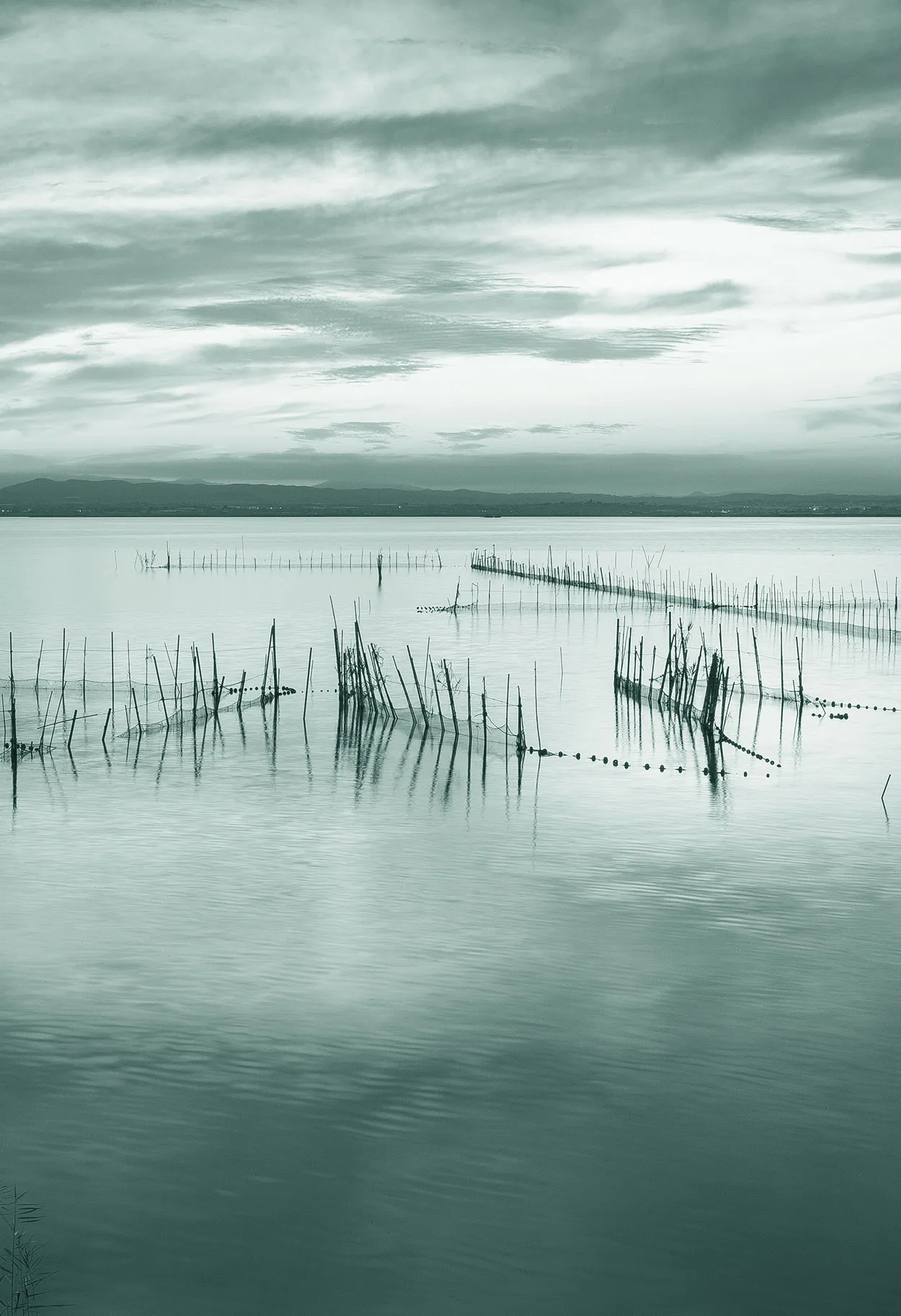
The Albufera of València is a coastal freshwater lagoon, separated from the sea by a narrow strip of sandy dunes. This area has been of vital ecological, economic, and cultural importance to the region for centuries. The lagoon and the surrounding wetlands cover around 21,120 hectares and have been part of a protected natural park since 1986.
The Albufera is an example of sustainability in the city of València for several reasons:
- Balance between nature and development: València has successfully integrated one of the most important wetlands in the Mediterranean into its urban structure, creating a space that allows local economic development while maintaining a high level of environmental protection.
- Sustainable water management: The interaction between natural ecosystems and irrigation systems for rice fields requires efficient and intelligent use of water, a crucial aspect in a region facing significant water challenges.
- Promotion of sustainable tourism: València has promoted environmentally respectful tourism, encouraging activities such as birdwatching and ecological routes.
At the end of 2024, l'Albufera de València was severely disturbed by the flooding caused by the heavy rains associated with the DANA of 29 October. In just a few hours, the lake received around 120 hm³ of water, a volume equivalent to a year and a half of normal inflows. The water level, which on the afternoon of 29 October was at 10 centimetres, rose to 110, an increase of one metre.
Why is an emblematic project?
The Albufera is a symbol of the balance between urban development and environmental conservation. This unique ecosystem, which includes a coastal lagoon, wetlands, rice fields, and exceptional biodiversity, is located just a few kilometres from the centre of València. The city has grown around it while making considerable efforts to protect its integrity. The declaration of the Albufera as a Biosphere Reserve would strengthen València's commitment to sustainability, turning this space into a global model of how to integrate nature into an urban environment.
Moreover, the socio-economic impact of this designation would be significant. The Albufera sustains local agricultural and fishing communities that depend on its natural resources. The designation would allow these traditional activities to be strengthened in a sustainable manner, adding value through environmental quality certification. Additionally, the promotion of ecological tourism and the creation of new economic opportunities based on artisanal products and services related to the ecosystem would make this a project that benefits the local population.
Finally, this project highlights València's leadership in climate action and biodiversity protection. The city has demonstrated a strong commitment to global sustainability goals, and the declaration of the Albufera as a Biosphere Reserve would serve as an example of how to manage territories of high ecological value within the context of urban development. In this sense, the conservation of the Albufera not only protects a valuable natural heritage but also places València at the forefront of European cities that are working towards a greener, more resilient future.
Areas and other stakeholders involved
- City of València, with various departments and services such as Devesa-Albufera, Agriculture, Tourism, Urban Planning, and Climate Improvement
- Municipalities of Alfafar, Sedaví, Massanassa, Catarroja, Albal, Beniparrell, Silla, Sollana, Sueca, Cullera, Albalat de la Ribera, and Algemesí
- Irrigation communities and farmers
- Fishermen’s guilds
- Environmental foundations and NGOs
- Universities and research centres
- Tourism companies
- Regional Government of València
- València Climate and Energy
Budget
- €18,000 Process facilitation for the Biosphere Reserve application
- €4,000 Video for the candidacy
- €500,000 Communication campaign and organisation of press trips and visits
Lessons learned and recommendations
- The experience of the Albufera demonstrates that a successful environmental sustainability project requires the active involvement of multiple stakeholders, such as local authorities, agricultural and fishing associations, NGOs, universities, and the private sector. Encouraging participation and consensus among the local community fosters a sense of ownership and ensures long-term local support.
- It is also worth highlighting the importance of valuing traditional activities (agriculture, fishing) as a pillar of sustainability. Integrating local customs into a conservation framework not only helps preserve cultural heritage but also creates economic opportunities linked to the territory.
- In this regard, the Albufera exemplifies how connecting environmental conservation with economic development can generate new green economic models with associated employment.
- Promoting sustainable tourism as a path for development also involves educating visitors about the importance of conservation, which can be achieved through environmental education activities, educational trails, or informative materials.
- Finally, the consequences of the 2024 DANA show how valuable and delicate ecosystems such as l'Albufera are and highlight the importance of their recovery so that they can once again provide their environmental, economic and cultural services as soon as possible.
Impact KPI'S
The Spanish Network of Biosphere Reserves defines a monitoring system based on indicators, classified into the following categories:
- Zoning
- Management body
- Participation in management
- Management plan
- Conservation function
- Development function
- Logistical support function
- Participation in networks
Timeline
1927 Purchase of the Albufera by the city of València
1986 Declaration of the Albufera as a Natural Park
1989 Inclusion in the Ramsar Convention list as a wetland of international importance
1990 Designation as a Special Protection Area for Birds (SPA)
2006 Declaration as a Site of Community Importance (SCI)
2022 Accreditation of València as a Wetland City under the International Convention on Wetlands
2024 Approval by the València City Council of the Biosphere Reserve project
2025 Declaration of the Albufera as a Biosphere Reserve
Links with more information
Ljubljana (SVN)
“The prestigious title of European Green Capital 2016 placed Ljubljana on the world map of cities committed to sustainable development, friendly to both the environment and its people. I am proud that Ljubljana has been recognised internationally as a leading sustainable city for over a decade and that we serve as a model for other cities. Our inclusion in the Mission of 100 Climate-Neutral and Smart Cities 2030 has certainly given us additional momentum, as we pave the way toward climate neutrality, which should be the goal of every city in the world.”
Mayor Mr. Zoran Janković
BeePathNet
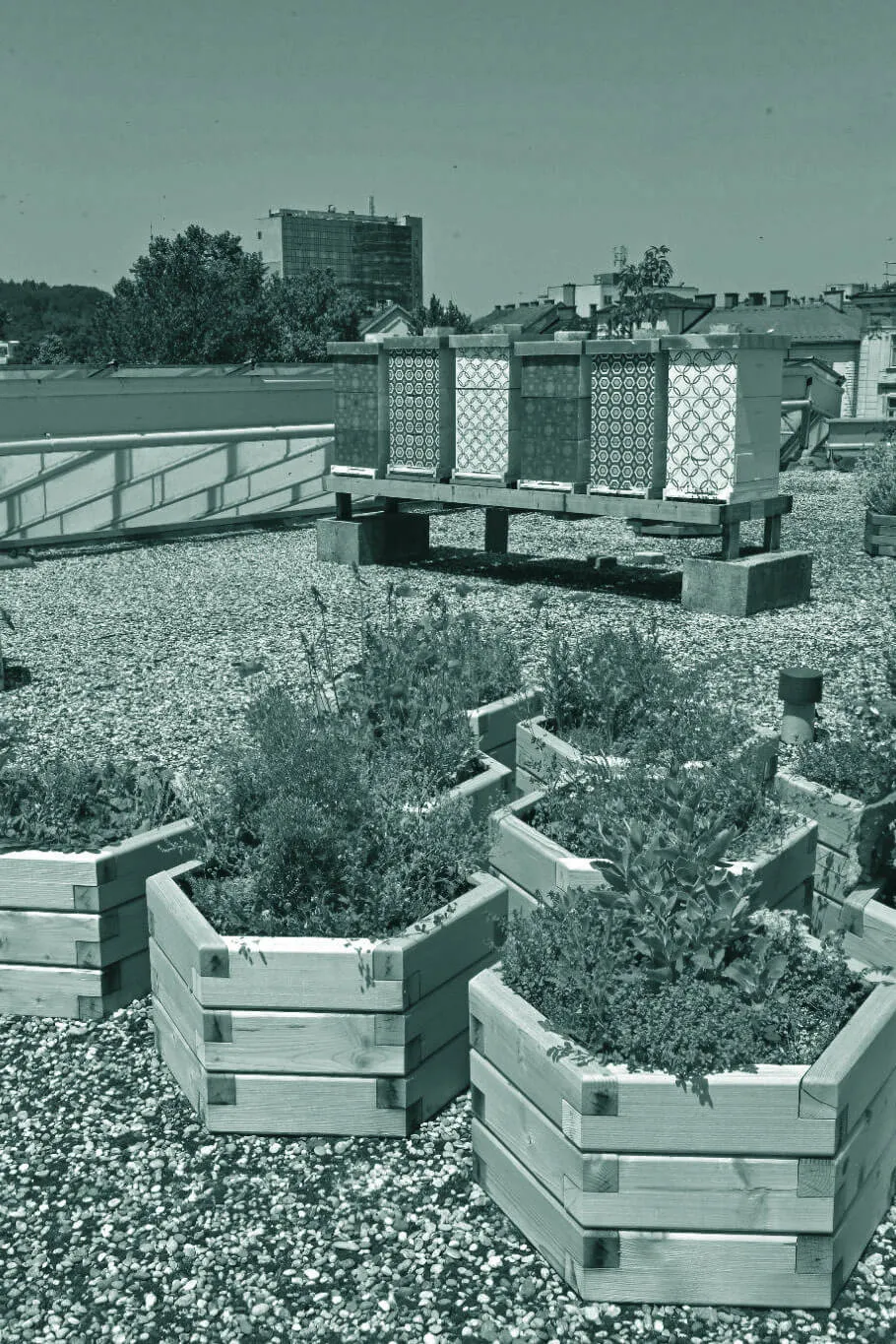
The City of Ljubljana has been raising awareness about the importance of bees for the urban environment and its residents since 2015, focusing on biodiversity and food self-sufficiency. To promote urban beekeeping, Ljubljana provides financial and educational support to beekeepers working exclusively for economic benefit in rural areas outside the city's ring road. Approximately 350 beekeepers manage over 4,500 hives.
Initially established as a physical Bee Path, the initiative has grown into a network of 46 members, including cultural institutions, businesses, educational organisations, beekeepers, and individuals. Various educational programmes have been developed, such as API kindergarten, along with bee-related knowledge hubs. May is dedicated to bees, with the World Bee Day celebrated on May 20, a date proclaimed by the UN at Slovenia's initiative.
Additionally, every second Saturday in October, the city hosts Honey Day, showcasing Bee Path members.
A key focus is bee health, with a special SOS hotline and a bee swarm rescue programme developed in collaboration with veterinary experts, the Ljubljana Fire Brigade, and local beekeepers.
To support biodiversity, Ljubljana plants melliferous plants in public spaces and practices late mowing under the slogan, “We will mow after the bees fed themselves.”
The city has been recognised as the most bee-friendly municipality in 2017, 2019, and 2022. Ljubljana's Bee Path has gained international recognition, earning the title of URBACT Good Practice. Through the BeePathNet project, Ljubljana shared this practice with nine European cities in countries like Portugal, Poland, Italy, Hungary, Croatia, Greece, and Bulgaria. The project’s success led to the BeePathNet Reloaded initiative, transferring knowledge to four additional European cities.
Lessons learned and recommendations
Urban authorities need to create a supportive environment for local action benefitting bees and other pollinators. This starts with encouraging and nurturing a cross-sectoral mind-set and involving various departments across the urban authority and transferring their knowledge and expertise into actions.
Recommendations:
- Regular online coffee mornings: to share information, ideas, and practices.
- Annual meetings: to review the partners' accomplishments, discuss challenges, exchange knowledge and good practices, and plan joint activities.
- Biannual thematic conference: to discuss specifics of urban beekeeping and learn about new approaches and good practices.
- Training new partners: biannual basic training for new cities on key modules of sustainable urban beekeeping.
- Bee Path Cities events: a range of events with the aim of reaching out to citizens, NGOs, companies, and institutions to involve them, especially the May 20th World Bee Day.
- Promotion of network principles and cities’ innovative approaches at different events and on social media.
Budget
- 628.000 EUR (for all 6 partners)
- EU co-financing: 474.500 (for all 6 partners)
Biodiversity programme that consists of: 1) ecological connectivity, 2) biodiversity in forests, 3) biodiversity at shores and lakes, 4) nature areas affected by historical and cultural activities.
Green roof in the city office: We created a roof that contributes to a wealth of biodiversity. We planted façade greenery, and we planted a wreath of flowers around the building.
Balanced Landscapes is a nature project that offers space for varied meadow landscapes that incorporate scrub, bogs, and lakes. The purpose of the project is to achieve the greatest possible biodiversity in an area of 80 ha using pre-agricultural intensification landscaping practices.
Since 2020, the “Green New Deal Treviso, creation of urban green areas, parks, and urban forests, is developing 30 HA of urban parks in multiple phases, with a focus on planting trees that are effective in capturing fine particulate matter.
Cornellà Natura strategic project (2026-2030): Includes actions aimed to implement a new urban articulation based on several green axes, the promotion of biodiversity and ecological connectivity and the increase and improvement of urban green.
Goats replace machines: As part of our bio-friendly forest care programme, 6 mountain goats help clearing overgrown forest areas to smother the natural vegetation of the forest floor. It has resulted in open woodlands and optimal living conditions for animals and plants.
Bee Happy & Casa de les Abelles: Project to promote the importance of bees and pollinating insects and to measure environment quality. Includes interactive exhibition, gamified and experiential activities where scientific research, dissemination and art come together.
BiodiverCities: To promote urban biodiversity, in a collaboration with Aveiro University, involving citizen engagement: participatory sessions, construction of a Collaborative Urban Garden and a walking tour.
The Rambla Pompeu Fabra project: Selection of vegetal species, flowerbeds and planters with the aim to attract natural enemies of the more common plagues as well as the mass distribution of flowers or groups that favour the winter refuge.
Construction of a Groin in the Baltic Sea: Liepāja is building a 225 meter long groin in the Baltic Sea to prevent coastal erosion and protect the city's wastewater treatment plant.
Pedestrian area with tracks for cyclists and connection road for car transport between I.Gagarin and Bessarabia streets in Ialoveni city.
ProGIreg: The City was able to regenerate from a naturalistic, agronomic and social point of view an area in the south along the Sangone river, the postindustrial district of Mirafiori Sud, characterized by poor environmental quality and social inequality problems, turning it into a green lung.
Green Brigades: These volunteer groups were created in 2015 to foster a One Planet City and Nature-Positive Ecosystem, covering 79% of the territory, and empowering citizens in environmental preservation.