
Decarbonisation in city cleaning
The project includes a series of actions to advance the sustainability of waste management and city cleaning. The aim is to achieve a waste collection and city cleaning service that is more ecological, more technological, and more humane, in order to achieve a cleaner and greener city.
To achieve these objectives, the project is structured in several lines of action that seek to improve sustainability, promote public awareness, and reduce the city's carbon footprint.
Why is it an emblematic project?
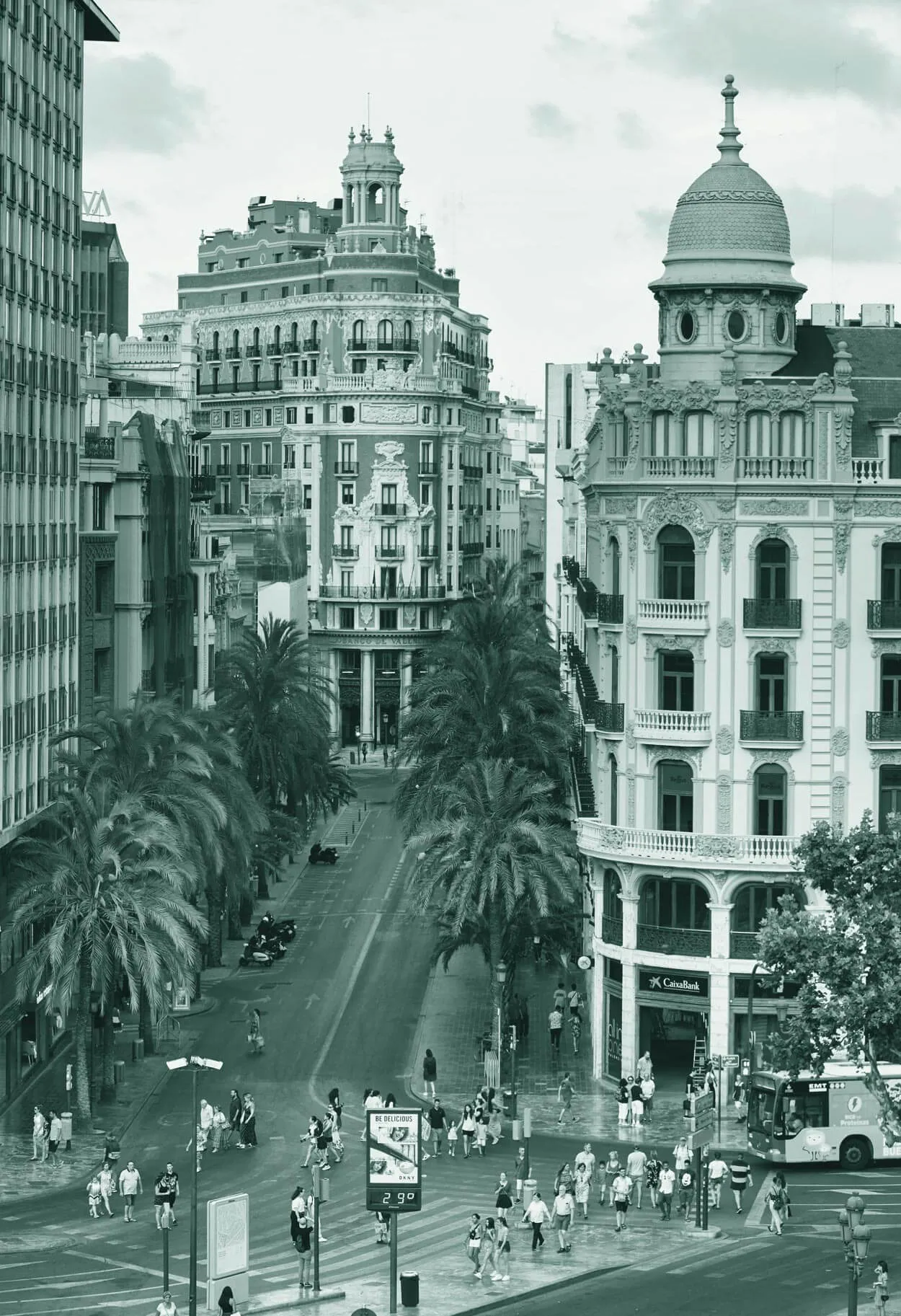
It is a project with a high impact on the city of València, as it covers the entire municipal area and all citizens; it is not limited to a single neighbourhood or group but reaches everyone who lives in or visits València.
Moreover, the project implies a cultural change and adoption of new habits through awareness-raising, sensitisation, and information, giving it enormous transformative potential.
Finally, it not only focuses on sustainability but also on improving quality of life. City cleanliness is a primary concern for Valencian society and large European cities. Improved urban cleaning, public awareness, and efficient bin organisation help keep streets clean and public spaces pleasant. Modernising cleaning and waste vehicles reduces noise pollution and emissions, creating a quieter environment with cleaner air.
Areas and other stakeholders involved
- City Council, cleaning and waste collection
- City Council, mobility
- City Council, parks and gardens
Budget
All actions are included in a contract worth €123 million over 13 years.
Lessons learned and recommendations
- It is necessary to carry out a neighborhood-by-neighborhood information campaign in the areas where the organic waste container is to be installed.
- A good field study should be carried out to group the containers into islands, involving the rest of the services affected, mobility, gardening so that they can act in matters within their competence, moving bicycle racks, loading, and unloading areas, tree pruning.
- It is necessary to maintain regular awareness-raising and information campaigns for citizens, insisting on the importance of waste separation.
- Taking advantage of the existing social fabric of the city, such as the Fallas, allows awareness-raising campaigns to reach citizens in a much more efficient and successful way.
Impact KPI'S
- Number of containers
- Number of tons collected
- % sorting per inhabitant per year
- Number of visits made
- Expenditure and type of fuel
Contracts, tender documents, and by-laws
- Municipal ordinance on urban cleanliness
- PEARN—Environmental Education Plan
- Local Waste Plan
Timeline
2016 Phase I-A Organic: Benimaclet, Sant Marcel·lí and large producers DM10-11
2017 Phase I-B Organic: Campanar-Sant Pau
2018 Phase II Organic: Poblats de l’Oest, Benicalap, Rascanya, La Saïdia, Olivereta, Patraix, Quatre Carreres
2019 Phase III-A Organic: Camins al Grau, Cabanyal, Jesús
2020 Phase III-B Organic: Reorganisation of islands
2021 Phase IV Organic: Rest of the city
2023 Start of new contract for cleaning and waste collection
2023 Presentation of new service image
2024 Change of container model
2024 Expansion of paper and cardboard containers
Exit to the street Furgo-Neta
Lisbon (PRT)
“In 2020, Lisbon was European Green Capital, an award that recognized the city's transformation to improve its urban environment and climate resilience. Following the award of this distinction, Lisbon created the “Lisbon Green Commitment”, launching the challenge to society, companies, organizations, associations and institutions, public and private, to join the city's climate agenda for the decade.”
Mayor Mr. Carlos Manuel Félix Moedas
Água+
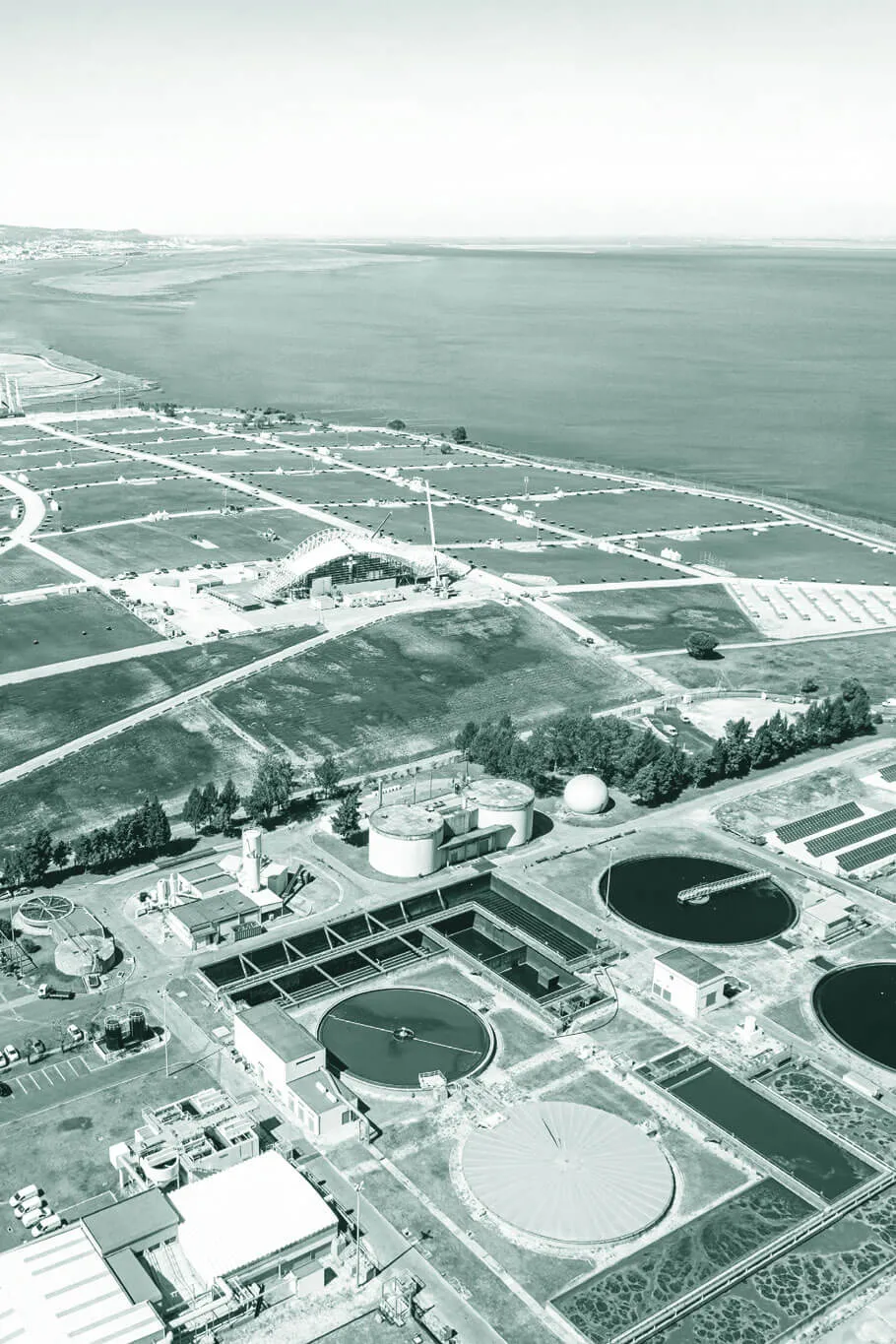
“Lisbon Parks and Gardens: the same green, the water is different. Sustainable irrigation with Água+” is the first licensed project in Portugal to reuse water for irrigating municipal gardens. It began in Lisbon on March 22, World Water Day, and is the result of a partnership between Lisbon Municipality and Águas do Tejo Atlântico.
The project started in 2022 in the green areas in Parque das Nações Norte, where Água+ started being used, in an area of approximately 30 hectares, and an annual water volume for irrigation of 300,000 m³. The new sustainable irrigation uses wastewater received and treated at the Beirolas Water Factory, as an alternative to natural abstraction.
In 2023, the Lisbon Municipality started irrigation with reclaimed water (ApR) of a new green area in the city: a 38 hectare park on a landfill site decommissioned in the 1990s. This green area was rehabilitated to receive the World Youth Day in 2023.
This project was developed under the scope of Lisbon’s Strategic Water Reuse Plan. This plan will allow the municipality to save 3 million m³ of drinking water by 2025 (around 75% of current consumption) and enable the city’s large consumers to save up to 6 million m³. It involves the creation of a 55 km reuse network—Água+—fed from Lisbon’s three wastewater treatment plants.
Lessons learned and recommendations
A key component of Lisbon’s adaptation strategy is a well-established and expanding green infrastructure, as a green-blue problem-solving infrastructure to ensure citizens’ quality of life and the sustainability of urban living.
The use of reclaimed water is of the utmost importance, as Lisbon is committed to safe water reuse and efficiency at municipal scale. This allows us to reduce freshwater dependency and eliminate drinking water use for municipal non-potable purposes.
Reuse projects imply, however, significant initial investments, for which more funding opportunities would be advisable.
Budget
Future rehabilitation of the network is estimated at €700,000.
Annual monitoring costs are approximately €20,000.
Waste management ranks among the top in Italy (separated waste collection went from 53% in 2014 to 87% today, with minimal production of non-recyclable waste and a “pay-as-you-throw” tariff). Treviso is the leading provincial capital in Italy since 2018.
Over the past many years, efforts have been made to refine the system of household waste collection and reduce residual waste.
The Municipality of Elsinore's canteen has created a new culinary identity focused on organic food, sustainability, and reduced food waste. The staff came up with five guiding principles to ensure that their values are incorporated into all aspects of the canteen's day-to-day operations.
As part of Viladecans Climate Pact, several actions have been launched with stakeholders: reducing food waste in schools, using oranges from urban trees for jam; channeling surplus food from hospitals to social organisations, etc.
Use of groundwater in the Riera Seca neighbourhood: Due to the climate emergency, the first phase of this project was implemented to use groundwater from Riera Seca to irrigate local gardens and refill the city’s street-cleaning vehicles.
Sustainable meals in public kitchens: To reduce food-related emissions and waste, all public kitchens now follow five guidelines for more sustainable meals, backed by staff training and a green procurement strategy to ensure organic and local ingredients.
The city has built nine structures to manage pollution from rainwater and stormwater, including a special pumping station to reduce nutrient levels in the freshwater lake, plus over 100 constructed wetlands to boost biodiversity and cut nutrient pollution.
The Municipality, in partnership with LIPOR, invested in creating a network of community gardens to promote sustainable agriculture practices.
Initiative “Don't Buy Extra, Bring Your Own!”: Liepāja encourages reducing single-use packaging by promoting reusable containers for take-away food and drinks.
CWC (City Water Circles) promoted water-efficiency measures and reuse of local non-conventional water sources—rainwater and greywater—for public and domestic use around public and residential buildings.
360.come promotes environmental literacy and sustainable practices to reduce school canteen food waste by 10%, using growing kits and local producer maps to encourage healthy eating and local consumption, impacting city’s ecological footprint.